
Photo by sydney Rae on Unsplash
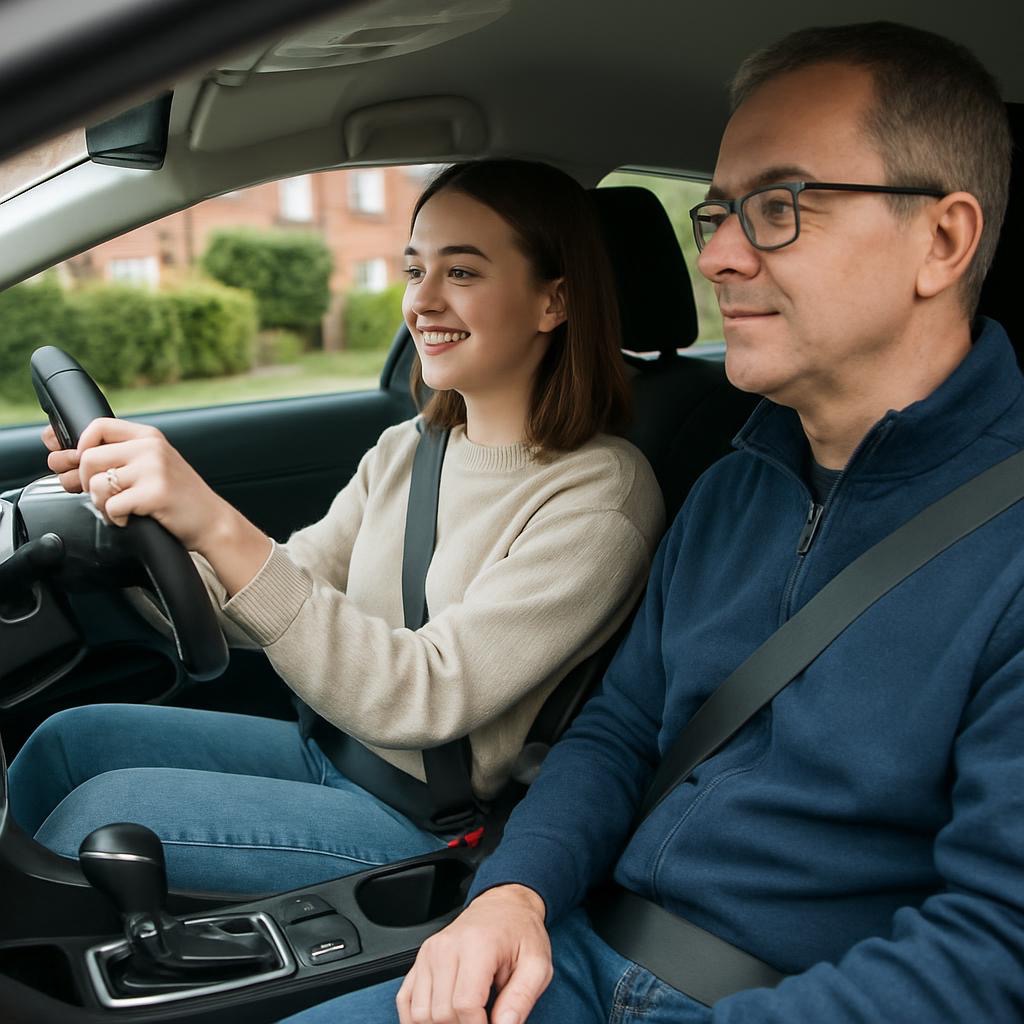
When your teenager first gets behind the wheel, everything changes. There’s excitement, certainly. However, there’s also a unique kind of anxiety that only parents of learner drivers truly understand. You want them to succeed, to be safe, to develop confidence. Yet you’re not entirely sure how to help beyond paying for lessons and trying not to grip the door handle too tightly.
I’ve been a driving instructor for years now. During this time, I’ve worked with hundreds of families through this journey. One thing I’ve learned is crucial. The most successful learner drivers aren’t just the ones who have the most professional lessons. Rather, they’re the ones whose families actively support their learning between those lessons. But here’s the catch: that support needs to be the right kind of support.
The Power of Partnership
Something remarkable happens when private practice and professional instruction work together properly. I’ve seen learners who were struggling suddenly click into place. Interestingly, this wasn’t because they had more lessons with me. Instead, their practice sessions at home started reinforcing what we were working on rather than contradicting it.
The research backs this up too. Learners who engage in quality supervised practice alongside their professional lessons tend to pass their tests sooner. Additionally, they develop better hazard perception skills. Most importantly, they become genuinely safer drivers in the long term. But that word “quality” is doing a lot of heavy lifting there. Not all private practice is created equal.

Photo by Tim Mossholder on Unsplash
Learning from Real Experience
I remember working with a young woman last year. She’d been having lessons with another instructor before coming to me. The student was incredibly nervous. She constantly second-guessed herself. Moreover, she had developed some unusual habits that were actually quite hard to unpick.
When I spoke with her mum, it became clear what had happened. Well-meaning family members had been giving her advice during practice sessions. However, each person was teaching her something slightly different. She wasn’t learning. Instead, she was just getting confused and anxious.
That’s when I realised just how crucial it is for parents to have proper guidance themselves. Driving instruction has evolved enormously. Yet we still expect parents to somehow know how to supervise practice effectively. Furthermore, we expect this based on how they learned to drive decades ago.
What Modern Driver Education Actually Looks Like
Most parents sitting in that passenger seat don’t know about commentary driving techniques. Similarly, they’re unfamiliar with eco-safe driving practices. They’re also unsure how to adapt teaching to individual learning styles. They’re trying their best. However, they’re unsure what to practise. They don’t know how to explain things without confusing their learner. They struggle with when to intervene and when to stay quiet. Honestly, these are all completely reasonable concerns.
This is exactly why I’ve started recommending a resource called My Learner Driver to the families I work with. It’s an interactive online course designed specifically for parents and family members who supervise learner drivers. Consequently, it addresses every one of these challenges head-on.
What Makes My Learner Driver Different
What I appreciate about My Learner Driver is straightforward. It’s been created by people who genuinely understand modern driver education. The course provides structured, step-by-step guidance for private practice sessions. Therefore, parents aren’t just hoping they’re doing the right thing. Instead, they actually know what to work on and how to progress appropriately.
The course content aligns with what professional instructors teach. This means parents can support their learner’s development rather than accidentally working against it. That consistency matters enormously. For instance, when I’m teaching a learner about proper observation at junctions, their parent can reinforce the same approach during practice. As a result, that learner develops the skill much more quickly and confidently.
Perhaps what’s most valuable is this: it teaches parents how to communicate effectively with their learners. There’s a real skill to providing feedback that builds confidence rather than creating anxiety. Furthermore, the course addresses a sobering reality. One in five new drivers is involved in a collision within their first year of passing. It emphasises developing genuinely safe driving habits that extend far beyond test day.
The Real Benefits of Getting This Right
When private practice is done well, something magical happens. The learner gets to practise skills I’ve introduced in a lower-pressure environment. This builds muscle memory and confidence before their next professional lesson. They get extended exposure to different roads. Similarly, they experience various weather conditions, traffic situations, and times of day. All of these are crucial for developing well-rounded competence.
From a practical standpoint, quality private practice can genuinely reduce the total number of professional lessons needed. I always tell parents something important. Professional instruction is essential and irreplaceable for developing core skills. Nevertheless, supervised practice allows learners to consolidate what they’ve learned between lessons.
There’s something else too. It’s less tangible but equally important. Working through the challenges of learning to drive together creates something special. Celebrating the small victories develops mutual trust. Going through this process together genuinely strengthens the parent-teenager relationship. I’ve seen families grow closer through this experience when it’s approached with the right framework and communication style.

Photo by Katrina Wright on Unsplash
Some Practical Wisdom
The most important principle is staying calm and positive. I know it’s easier said than done. However, your anxiety will transfer directly to your learner. They can feel your tension. They hear it in your voice. They see it in your body language. If you’re stressed, they’ll become stressed. Moreover, stressed learners make mistakes.
Communication with your learner’s instructor makes an enormous difference too. I actively encourage parents to speak with me regularly. We discuss what their learner should be practising. We also talk about what they should avoid. Starting simple and progressing gradually seems obvious. Yet I’ve met parents who took their learner onto a dual carriageway in their third practice session. Begin in quiet areas during good weather. Then gradually increase complexity as competence develops.
When you do notice issues during practice, focus on one thing at a time. If you’re bombarding your learner with corrections about their mirrors, speed, positioning, and observation all at once, they’ll just shut down. Pick the most important thing. Then address it constructively.
Why Professional Instruction Still Matters
I need to be very clear about something. Private practice supplements professional instruction. It doesn’t replace it. Your learner’s driving instructor provides several crucial things. We offer structured skill development following the DVSA syllabus. We provide expert assessment of progress and readiness. Additionally, we use specialised teaching techniques developed through professional training.
We have dual controls for safety during skill acquisition. We offer objective feedback without emotional complexity. Furthermore, we handle test preparation and examiner liaison. Professional instruction provides the foundation upon which effective private practice builds. The two work together. Neither replaces the other.
Planning Your Family’s Journey
One of the frameworks from My Learner Driver that I particularly value is helpful. It’s the concept of creating a family plan for supporting your new driver. This extends beyond just getting them through the test. Before the test, it’s about establishing practice routines. It involves setting clear expectations and boundaries. You’ll be building skills progressively. You’ll also be preparing mentally and practically for test day.
Perhaps more importantly, it addresses what happens after the test. Those first months and years after passing are when crash risk is highest. The course helps families discuss the risks that newly qualified drivers face. It guides you in setting sensible rules about passengers and night driving. It encourages maintaining open communication about challenges. Consequently, you can gradually expand independent driving experiences in a controlled way.
The Investment Perspective
Here’s something I tell every parent I work with. The most expensive option isn’t always buying more professional lessons. Sometimes the most costly choice is poorly managed private practice. This can reinforce bad habits. It can create anxiety. It can also lead to incidents that destroy confidence and delay the test.
My Learner Driver typically costs less than a single professional driving lesson. Yet it provides guidance that supports the entire learning journey. When you consider that effective private practice can genuinely reduce the total number of lessons needed, it’s an investment that pays for itself many times over.
Affiliate Disclosure: I should mention that I’ve partnered with My Learner Driver as an affiliate because I genuinely believe in the value it provides to the families I work with. If you choose to enrol through my recommendation, I may receive a small commission at no extra cost to you. This helps support The Driving Mentor whilst connecting you with a resource I truly recommend.

Photo by Héctor Achautla on Unsplash
Looking at the Bigger Picture
Ultimately, our goal isn’t just helping learners pass their test. Instead, it’s creating safe drivers for life. Quality private practice, combined with professional instruction, helps bridge the dangerous gap. This gap exists between passing the test and becoming an experienced driver.
When you invest time in learning how to supervise effectively, you’re not just helping your teenager pass their test. You’re developing their hazard perception and risk assessment in real-world situations. You’re building their confidence for challenging conditions they haven’t encountered yet. You’re instilling safe habits that will last their lifetime. Furthermore, you’re creating open communication about driving that continues after they pass. Potentially, you’re preventing the crashes and injuries that devastate families every single year.
Taking the Next Step
If you’re a parent of a current or soon-to-be learner driver, I’d encourage you to explore My Learner Driver. See how it can support your family’s journey. The course is accessible, practical, and designed specifically for UK learners and their families.
Have a conversation with your learner’s instructor too. Discuss how private practice can best complement professional lessons. Good instructors actively welcome and support quality supervised practice. We understand that we’re all working together towards the same goal.
Most importantly, start with the right mindset. Remember that supporting your learner driver is a partnership. Your role is to be calm, encouraging, and patient as they develop this life-changing skill.
Supporting your learner driver is one of the most rewarding investments you can make in their safety and independence. With the right tools, guidance, and approach, it can also be a wonderfully positive experience. Consequently, it strengthens your relationship. My Learner Driver provides the structured guidance that transforms parental worry into confident support.
Your teenager’s safety and future independence is worth that investment.
Ready to become a confident, effective driving supervisor? Visit My Learner Driver today and discover how you can transform your teenager’s learning experience whilst reducing stress for the whole family.
For more driving education resources and expert guidance, visit The Driving Mentor (www.thedrivingmentor.co.uk) or our partner school WS Driving School (www.ws-driving-school.co.uk).
Leave a Reply