As a driving mentor with nearly a decade of experience, I have to say – it’s about time. The UK government’s new Road Safety Strategy is not just welcome, it’s long overdue. After more than ten years without a comprehensive plan, we finally have a roadmap that could genuinely make our roads safer for everyone.
Let me be clear: I’m delighted. Four people dying on our roads every day is four too many, and the fact that progress has stalled since 2010 has been frustrating for everyone in road safety education. This new strategy, with its ambitious target to cut deaths and serious injuries by 65% by 2035, shows the government is finally taking this seriously.
What’s Got Me Excited
The proposed changes hit many of the right notes. A minimum learning period for new drivers? Absolutely essential. As someone who’s taught countless learners, I can tell you that six weeks of lessons simply isn’t enough for most people to develop the experience and judgment needed for safe driving. Give them three to six months, and you’ll see far more confident, capable drivers on the roads.
The focus on drink-driving is also crucial. Lowering the limit to 50mg and introducing alcohol interlock devices for offenders could be game-changing. And let’s not forget the mandate for 18 new vehicle safety technologies – from autonomous emergency braking to lane-keeping assistance. Technology isn’t the whole answer, but it’s certainly part of it.
But Here’s What We’re Still Missing
While I’m thrilled with what’s in the strategy, there are a few additional measures that could push those numbers down even further:
Graduated Licensing System
We need a proper graduated licensing scheme for new drivers. Think restrictions on night-time driving, passenger limits, and zero alcohol tolerance for the first year or two after passing. It works brilliantly in Australia and New Zealand – why aren’t we doing it here?
Mandatory Dash Cams
Incentivise or even require dash cam installation, especially for new drivers. Not only does it encourage better driving behaviour, but the footage is invaluable for investigating collisions and identifying dangerous driving patterns.
Better Infrastructure for Vulnerable Road Users
More protected cycle lanes, better pedestrian crossings, and properly maintained road surfaces would make a massive difference. Motorcyclists and cyclists are disproportionately affected by poor road conditions – let’s sort that out.

Regular Retesting
Here’s a controversial one: I think all drivers should face a driving assessment every 10-15 years. Not necessarily a full test, but a check-in to ensure standards are being maintained and bad habits haven’t crept in. Driving is a privilege, not a right – we should have to prove we’re up to standard throughout our driving lives.
Tougher Penalties for Mobile Phone Use
The fines and points we have now clearly aren’t enough of a deterrent. I still see people scrolling through their phones at traffic lights daily. Let’s make it hurt more – financially and in terms of licence points.
Comprehensive Road Safety Education in Schools
Start young. Teach children about road safety from primary school age, and make it part of the national curriculum. Understanding how to be safe as a pedestrian and cyclist creates better drivers later on.
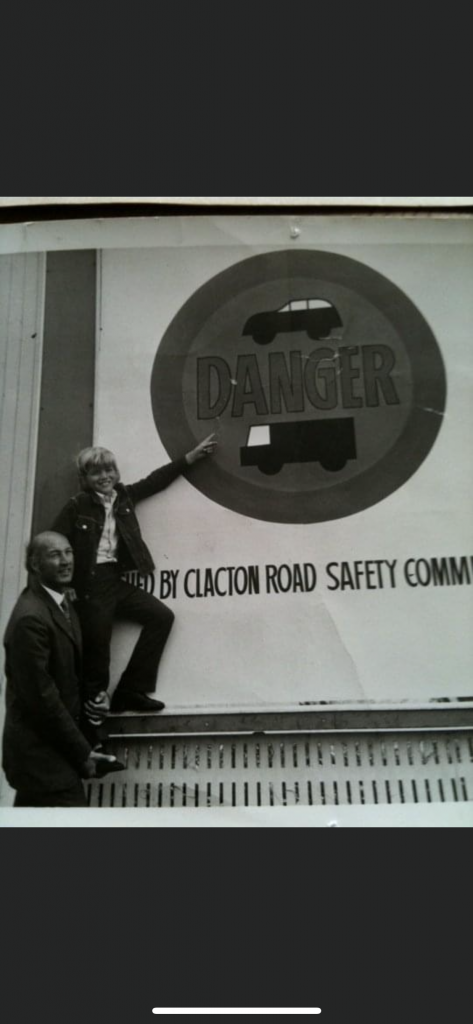
This is personal for me. When I was at primary school in Clacton, I won a road safety poster competition. Seeing my poster displayed at a prominent junction in the town made a lasting impression – not just the pride of winning, but the realisation that road safety genuinely mattered. That early awareness stayed with me throughout my life and ultimately influenced my decision to become a driving instructor. If we can instil that same understanding in every child, imagine the difference it could make to the next generation of road users.
The Bottom Line
This strategy is a massive step in the right direction, and I applaud everyone who’s campaigned for it. The Safe System approach recognises that we’re all human, we all make mistakes, but those mistakes shouldn’t cost lives.
As driving professionals, we have a responsibility to support this strategy and push for its full implementation. But we also need to keep the conversation going about what else we can do. Because every life saved is a family spared from unimaginable grief.
Let’s make Britain’s roads the safest in the world. We’ve got the strategy – now we need the commitment to see it through.
What additional measures do you think would help? Drop your thoughts in the comments below. Let’s keep this conversation going.
Stay safe out there.
About the Author: A driving mentor and road safety advocate with nearly 10 years of experience teaching learner drivers. Passionate about road safety from a young age – having won a primary school road safety poster competition – and committed to promoting safer driving practices across the UK.
Leave a Reply