
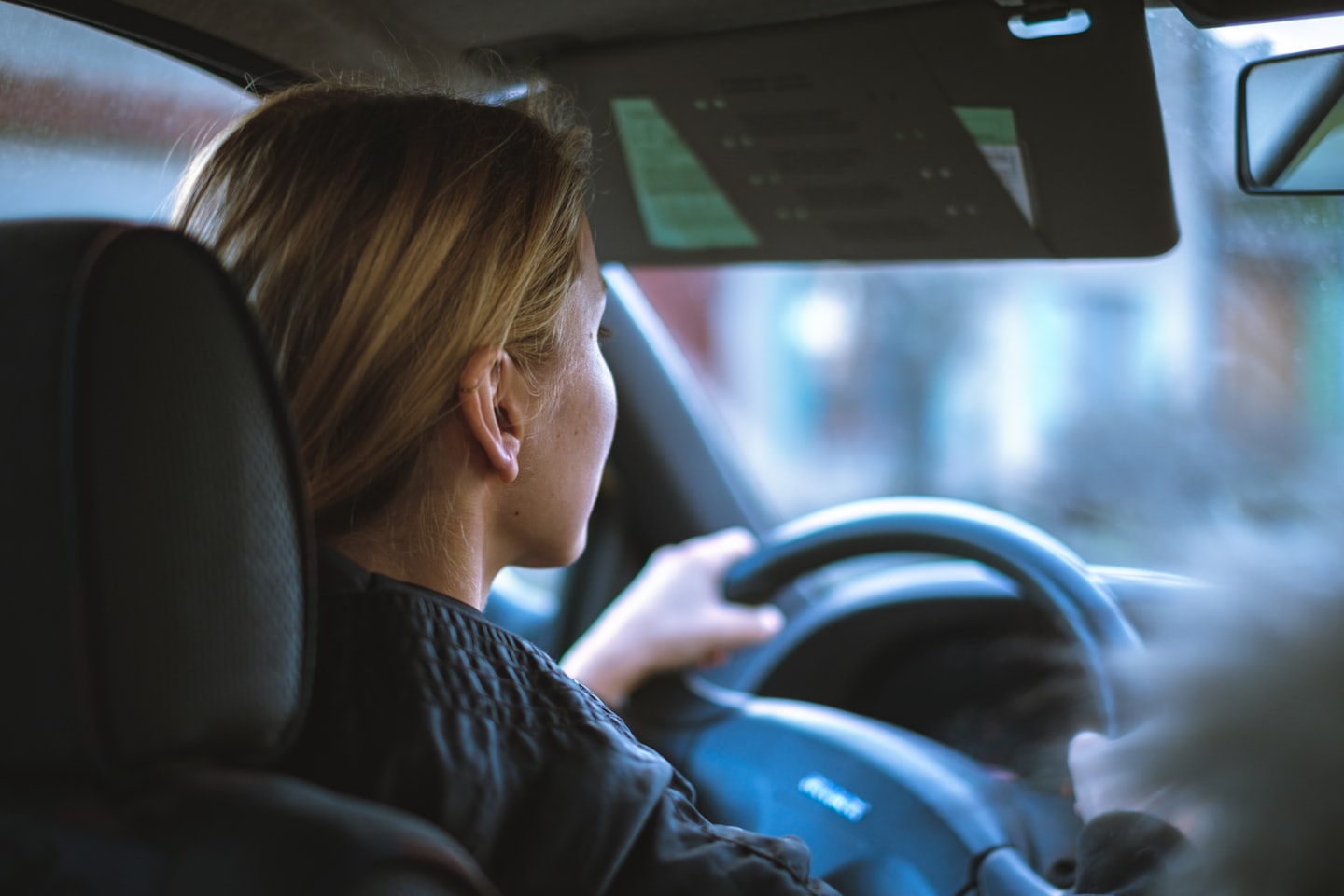

Blog 1 of 10: Your Complete Guide to Learning to Drive an Automatic Car
This comprehensive guide has been developed by WS Driving School, drawing on years of experience helping learners across the UK achieve their driving goals.
Automatic driving lessons are the most popular choice for UK learner drivers in 2026. Whether you’re a complete beginner, a parent preparing to supervise your child’s learning, or someone who’s had a few lessons before, understanding what lies ahead can help you feel more confident and prepared. This guide will walk you through every aspect of automatic driving lessons, from your first lesson to test success.
Why Choose Automatic Driving Lessons?
Automatic driving lessons have become increasingly popular in recent years. There are good reasons for this. Without the need to worry about clutch control or manual gear changes, automatic driving lessons allow learners to focus on the most important aspects of driving. These include observation, road positioning, and hazard awareness.
Automatic cars are perfect for learners who want a less stressful learning experience. They’re ideal for those who may have coordination difficulties. They also suit anyone who simply prefers the convenience of automatic transmission. In today’s world, most modern vehicles offer automatic options. Furthermore, electric cars are becoming the norm. Therefore, choosing automatic driving lessons is a future-proof decision.
If you’re looking for professional instruction, explore our driving services www.thedrivingmentor.co.uk/services to find the right option for you.
How Many Automatic Driving Lessons Will You Need?
One of the most common questions learner drivers ask is straightforward. “How many lessons will it take me to pass?” The Driver and Vehicle Standards Agency (DVSA – www.gov.uk/government/organisations/driver-and-vehicle-standards-agency) recommends that learner drivers should have between 17 and 30 hours of professional driving tuition. This should be combined with regular private practice.
However, it’s important to understand that every learner is different. The number of automatic driving lessons you’ll need depends on several factors:
Your Previous Experience
If you’re a complete beginner with no driving experience whatsoever, you’ll typically need more lessons. Someone who has already had some time behind the wheel will need fewer. Previous experience with go-karts, driving abroad, or even attempting lessons in a manual car can all contribute. These experiences shorten your learning curve.
Access to Private Practice
Having access to your own car or a family member’s vehicle for private practice can significantly reduce professional lesson numbers. The DVSA recommends around 20 hours of private practice alongside your professional tuition. Learners who practise regularly between automatic driving lessons often progress much faster. Moreover, they develop better muscle memory for vehicle control.
For Parents and Supervisors: If you’re supporting a learner driver, your involvement can make a tremendous difference. Supervised practice in a safe, patient environment helps reinforce professional instruction. Additionally, it builds confidence. Read our complete guide for parents www.thedrivingmentor.co.uk/supporting-your-learner-driver-a-guide-for-parents) to learn how to support your learner effectively. Just ensure you meet the legal requirements. You must be over 21. Furthermore, you must have held a full UK driving licence for at least three years.
Your Learning Style and Confidence
Some people are naturally more confident behind the wheel. Others need more time to build their skills and self-assurance. There’s absolutely nothing wrong with taking longer. Driving is a life skill that requires patience and practice. The key is finding an instructor or learning approach that works at your pace. This ensures you’re comfortable and confident before moving on to more challenging skills.
Lesson Frequency
Students who take automatic driving lessons regularly (ideally once or twice per week) tend to progress faster. Those with long gaps between sessions progress more slowly. Consistency helps reinforce what you’ve learned. It also prevents skills from becoming rusty.
Understanding the Investment: Automatic Driving Lesson Costs
Learning to drive is an investment in your future independence and career opportunities. Across the UK, automatic driving lesson costs typically range from £35 to £55 per hour. This depends on your location and the instructor’s experience.
For someone requiring the recommended 30 hours of professional tuition (which is common for learners without previous experience or private practice opportunities), this works out to a total investment of approximately £1,050 to £1,650.
While this might seem like a significant amount, consider what you’re gaining:
- Professional instruction from a fully qualified DVSA-approved driving instructor
- Comprehensive training covering all aspects of the driving test
- Personalized learning tailored to your individual needs and pace
- A life skill that opens up employment opportunities and personal freedom
- Safety knowledge that could save your life and others on the road
Many learners find that two-hour automatic driving lessons work particularly well. They provide enough time to practise skills thoroughly without becoming too tiring. The longer lesson format also offers better value. Less time is spent on collection and drop-off.
Check out our blog www.thedrivingmentor.co.uk/blog for more tips on making the most of your driving lessons.
What Your Automatic Driving Journey Will Include
Over the course of your automatic driving lessons, you’ll progress through a carefully structured syllabus. This is designed to take you from complete beginner to test-ready driver. Your journey will include:
Foundation Skills
- Cockpit drill and vehicle safety checks
- Understanding automatic car controls
- Moving off and stopping smoothly
- Steering and vehicle positioning
- Basic road awareness
Building Competence
- Navigating different types of junctions
- Roundabout techniques (from small to large multi-lane)
- Meeting and crossing traffic
- Dual carriageway driving
- Town and country road experience
Test Preparation
- The four manoeuvres (bay parking, parallel parking, and pull up on right)
- Show me, tell me questions
- Independent driving using sat nav or road signs
- Mock driving tests
- Test route familiarisation in your local area
The Benefits of Learning in Diverse Road Conditions
Quality automatic driving lessons should expose you to a wide variety of road types and driving conditions:
- Urban driving through town and city centers
- Residential areas with parked cars and speed restrictions
- A-roads and faster-moving traffic
- Various roundabouts including challenging multi-lane configurations
- Rural roads and country lanes
- Different road users including cyclists, pedestrians, and other vehicles
This variety ensures you’re exposed to real-world driving conditions. These will serve you well long after you’ve passed your test.
Making the Most of Your Automatic Driving Lessons
To get the best value from your investment and potentially reduce the total number of lessons needed, consider these tips:
Practise Between Lessons: If you have access to a car and a qualified supervisor, regular practise will accelerate your progress significantly. Someone over 21 who has held a full driving licence for at least three years can supervise you.
Stay Consistent: Try to maintain a regular lesson schedule. Weekly or twice-weekly automatic driving lessons work well for most people.
Ask Questions: Never hesitate to ask your instructor to explain something again. Request to practice a particular skill more. Good communication is key to effective learning.
Review After Each Lesson: Take a few minutes after each lesson to reflect. Think about what you’ve learnt. Consider what you’d like to focus on next time.
Stay Calm and Patient: Everyone learns at their own pace. Don’t compare yourself to others. Don’t feel pressured to rush.
Visit our resources section www.thedrivingmentor.co.uk/resources for free downloadable guides to support your learning.
Tips for Parents and Private Supervisors
If you’re supporting a learner driver during private practice, your role is invaluable. Here are some tips drawn from WS Driving School’s experience:
- Start in quiet, familiar areas and gradually build up to busier roads
- Be patient and encouraging – learning to drive can be stressful
- Focus on practicing what the professional instructor has recently taught
- Avoid contradicting the instructor’s teaching methods
- Create a calm, supportive environment in the car
- Remember that you’re there to provide practice opportunities, not to teach new skills
What Makes a Good Learner Driver?
The most successful learners share certain characteristics. They’re punctual, prepared, and take their automatic driving lessons seriously. They practice good listening skills. Additionally, they aren’t afraid to admit when they don’t understand something. Most importantly, they understand that making mistakes is a natural part of the learning process.
Good learner drivers also take responsibility for their own progress. They complete any homework or study materials provided. They think about their driving between lessons. Furthermore, they actively work to correct errors rather than repeating them.
Your First Steps Toward Driving Freedom
Starting your automatic driving lessons is an exciting milestone. Quality driving instruction should provide patient, professional guidance. This builds your skills and confidence progressively. A structured approach ensures you’re thoroughly prepared. You won’t just pass your test. Instead, you’ll become a safe, competent driver for life.
The journey from your first automatic driving lesson to test success typically takes several months. However, every lesson brings you closer to independence. It brings you closer to the opportunities that come with having your driving license. Whether you need 20 hours or 30 hours of tuition, the right instructor will be with you every step of the way.
Ready to start your automatic driving journey? Learn more about us www.thedrivingmentor.co.uk/about and discover how we can help you succeed. Take the time to research qualified driving instructors in your area. Ask about their pass rates and teaching style. Then book your first lesson. Whether you choose professional instruction, supervised practice, or a combination of both, remember something important. The best time to start learning to drive is now.
Every day you delay is another day without the freedom and opportunities that driving brings. If you have questions, check our FAQ section www.thedrivingmentor.co.uk/faq or contact us www.thedrivingmentor.co.uk/contact to get started on your journey to becoming a confident, safe driver.
This guide has been created by WS Driving School (www.ws-driving-school.co.uk), dedicated to helping learners across the UK achieve their driving goals through professional, patient instruction. For more driving education resources, visit The Driving Mentor (www.thedrivingmentor.co.uk).
Leave a Reply